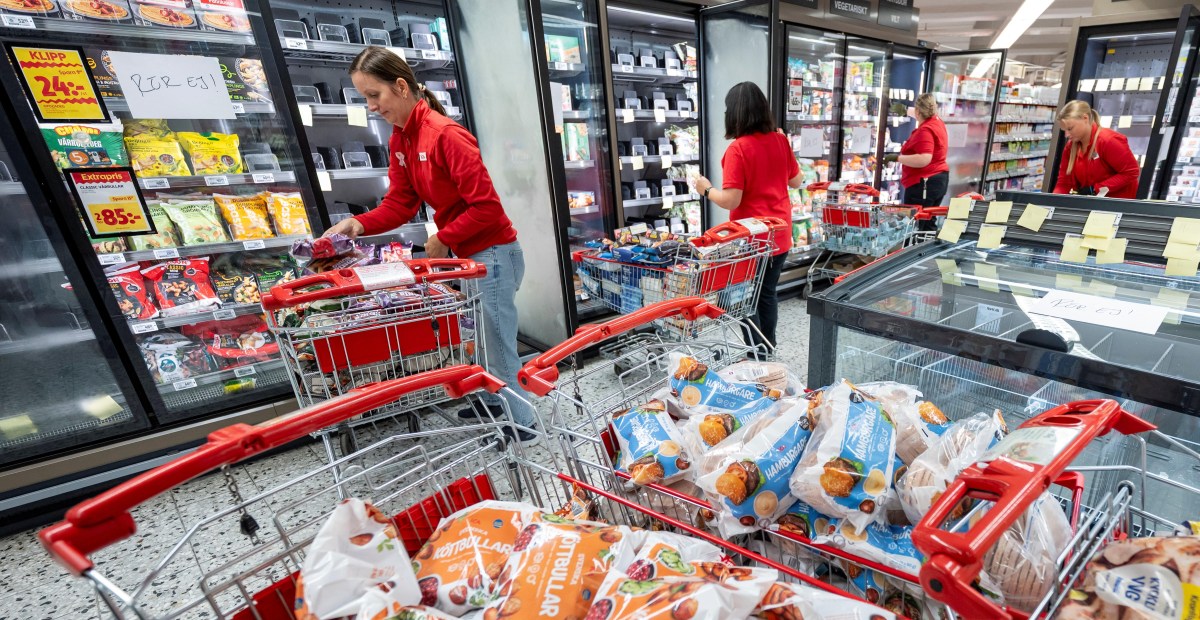
Grocery chains across several European nations are dealing with a fresh wave of suspected cyberattacks that have disrupted commercial cooling systems, triggering sudden and unauthorized temperature modifications in refrigerators and freezers. The disruptions have impacted supermarkets across Belgium, Sweden, Luxembourg, and Estonia, according to local reports highlighted by Bloomberg and Reuters.
Supermarket Chains Report Cooling Disruptions
In Sweden, an Ica Kvantum store reported via its Facebook page that its refrigeration and freezing units were breached overnight. According to the store, the temperatures inside the affected cooling units were remotely adjusted upward to 50 degrees Celsius (122 degrees Fahrenheit).
Another major Swedish retail operator, Coop, also acknowledged unauthorized interference. In a statement provided to Business Insider, a spokesperson for Coop confirmed that unauthorized actors successfully gained access to and tampered with the cooling infrastructure across a small fraction of the company’s retail locations.
Retail networks outside Sweden have experienced similar disruptions. Dutch retail conglomerate Ahold Delhaize confirmed that an internal IT incident led to temperature adjustments within the refrigeration units of dozens of its stores across Belgium and Luxembourg. The comprehensive scope and full scale of the incident across the affected territories have not yet been determined.
Vulnerabilities in Connected Infrastructure
Modern commercial cooling units and refrigeration systems deployed by supermarkets are frequently linked directly to the internet. These networked connections are typically maintained to support remote diagnostic monitoring, ongoing maintenance, and automated alerts during equipment malfunctions. However, the recurring instances of suspected unauthorized access have amplified broader concerns regarding security flaws within connected industrial systems and the potential risks they present to food supply continuity.
The incident represents the latest in a series of similar breaches targeting commercial and institutional cooling systems. Last month, an apparent cyberattack struck hundreds of refrigerators located in French supermarkets, resulting in widespread food spoilage that caused millions of euros in financial damage. In addition, a series of freezer malfunctions at United States military bases have also been suspected of stemming from cyber intrusions.