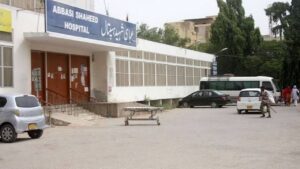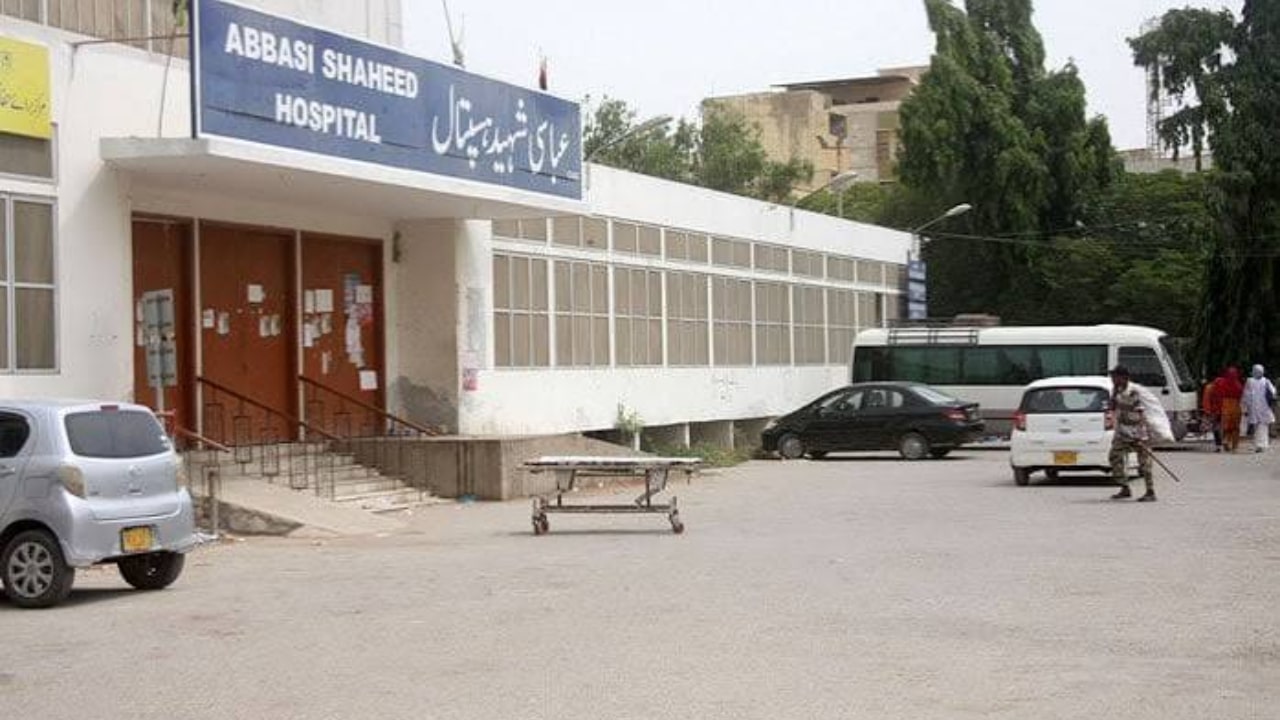
The construction of a new medical block at Abbasi Shaheed Hospital has reached completion after 52 years, marking a significant milestone for healthcare infrastructure in District Central, Karachi. The long-standing development was executed through a joint initiative between the provincial Sindh government and the Karachi Metropolitan Corporation (KMC).
The newly constructed building spans 200,000 square feet across a ground-plus-three-storey architectural footprint. Designed to ease pressure on public healthcare systems, the facility will accommodate between 150 and 200 beds while providing modern clinical and diagnostic services. Officials expect the block to be formally inaugurated next week, opening its doors to residents across District Central as well as patients traveling from other parts of Karachi.
Specialized Treatment and Diagnostic Capabilities
The facility has been planned to function as a multi-purpose healthcare center addressing a broad spectrum of medical disciplines. According to Mahmood Ahmed Khan, registrar of Karachi Metropolitan University, the block will provide dedicated clinical care for cardiac, gastroenterological, pulmonary, and dermatological conditions.
To support clinical interventions, the infrastructure integrates advanced diagnostic testing services on site. Available diagnostic units will include X-ray radiography, echocardiography, and endoscopy. Hospital authorities confirmed that orders have been placed for additional modern medical equipment to further outfit the department suites.
Phased Rollout and Outpatient Services
In addition to inpatient ward capacity, the facility features an outpatient department (OPD) covering multiple medical specialties. The hospital administration noted that the new infrastructure will be made operational in planned phases, an operational approach intended to consolidate care delivery and ensure patients can access multiple diagnostics and treatments under one roof.
Healthcare authorities are also evaluating further specialized services within the complex. Plans remain under consideration to incorporate dedicated medical provisions tailored for children with autism as well as accessible facilities for persons with disabilities.