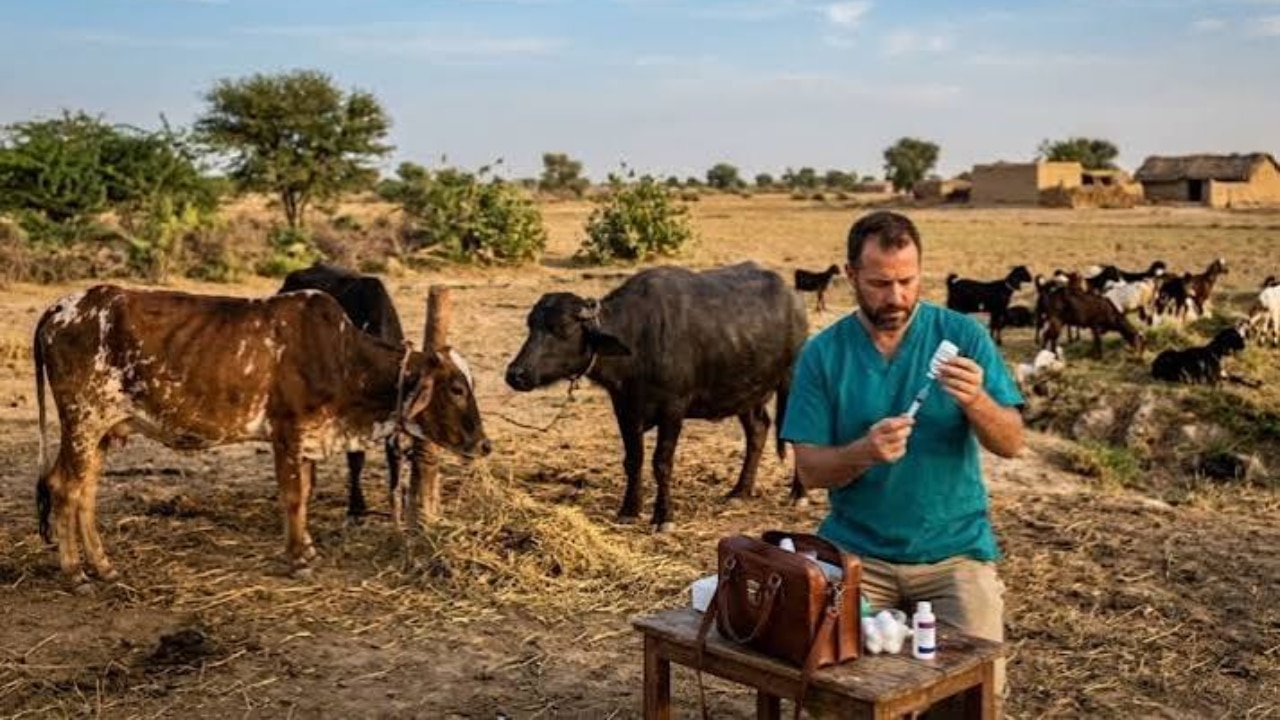
The government of Sindh has completed its first embryo transfer experiment, marking a milestone in provincial efforts to modernize livestock management, enhance cattle genetics, and increase milk and meat production.
Public-Private Collaboration at Animal Science Institute
The scientific experiment was carried out through a joint collaboration between the Sindh Livestock Department and FoneGrow, a private organization. The procedure took place at the Sindh Institute of Animal Science, establishing the groundwork for broader adoption of reproductive biotechnology in the province’s livestock sector.
Sindh Livestock Minister Muhammad Ali Malkani formally briefed Sindh Chief Minister Syed Murad Ali Shah regarding the project and the successful outcome of the initial trial.
Accelerating Genetic Upgrades
Addressing the development, Chief Minister Syed Murad Ali Shah emphasized that modern reproductive techniques will significantly shorten the timeline required to cultivate superior cattle stock. According to the chief minister, conventional selective breeding methods that historically took approximately 30 years to achieve noticeable breed improvements can now be completed in roughly five years using embryo transfer technology.
The strategic focus centers on elevating productivity benchmarks across regional herds, specifically targeting yields for dairy and meat output to bolster the provincial agricultural economy.
Procurement of High-Grade Embryos
Following the successful demonstration of the procedure, the provincial administration is moving to scale the initiative. The Sindh government has placed an order for 132 embryos representing the Red Sindhi and Guzera cattle breeds, aiming to expand genetic distribution and reinforce indigenous livestock profiles through controlled scientific breeding programs.