

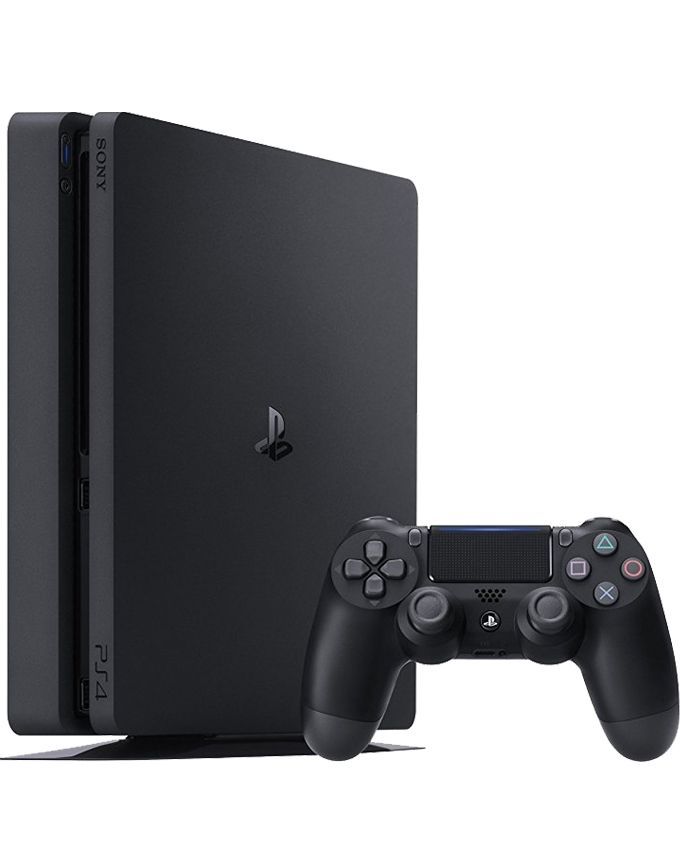
A growing group of PlayStation users has launched a week-long digital boycott against Sony in protest of the company’s planned move away from physical game production.
The campaign, known as #PSBlackout, began on August 23 and is scheduled to continue through August 30. Organizers are asking PlayStation players to switch off their consoles, avoid logging into the PlayStation Network (PSN), refrain from playing games and stop making purchases through Sony’s gaming ecosystem.
The protest comes after Sony announced plans to end production of physical game discs for new PlayStation releases in January 2028, a decision that has triggered significant criticism from players concerned about digital ownership and game preservation.
Why Are PlayStation Gamers Protesting?
The #PSBlackout campaign was organized by the game-preservation community Does It Play, which has been vocal about the importance of physical media and consumer access to games.
The group argues that moving completely toward digital distribution could make players increasingly dependent on online stores, platform accounts and company servers.
Physical games, by comparison, can potentially remain accessible even after online storefronts or services are discontinued, although modern disc-based games can also require downloads, patches or online authentication.
For preservation advocates, Sony’s planned shift therefore represents a broader concern about how video games will remain accessible to future generations.
What Is the #PSBlackout Campaign?
The campaign calls for players to disengage from PlayStation services for seven days.
Participants have been encouraged to:
- Turn off their PlayStation consoles
- Log out of PSN
- Avoid online gaming
- Avoid purchases from PlayStation Store
- Cancel or reconsider subscriptions
- Reduce engagement with Sony’s gaming ecosystem
The objective is to create a noticeable decline in PlayStation activity and demonstrate that consumers can collectively respond to decisions they disagree with.
However, the campaign’s actual impact remains uncertain.
Sony’s Move Toward Digital-Only Gaming
Sony’s decision reflects a much larger transformation taking place across the gaming industry.
Digital downloads, subscriptions and online services have become increasingly important sources of revenue for game publishers and platform holders.
For companies, digital distribution can reduce manufacturing, shipping and retail costs while allowing games and additional content to be distributed directly to customers.
For players, however, the shift creates questions about ownership, access and long-term preservation.
The debate becomes particularly complicated because digital purchases are generally governed by licenses and platform terms rather than traditional ownership models.
Gamers Raise Concerns About Digital Ownership
One of the central arguments behind the protest is that consumers could lose access to games if digital storefronts eventually close or accounts become unavailable.
Those concerns received additional attention after Sony sent PlayStation Network users an email containing its current terms and related agreements shortly before the blackout. The timing drew attention from gamers because the message arrived as the protest was beginning.
The discussion has therefore expanded beyond physical discs.
Players are increasingly debating whether buying a digital game provides the same level of long-term control as purchasing physical media.
Physical Games Are Already Becoming Less Common
Sony’s planned move is also part of an established industry trend.
Digital game distribution has already become dominant across much of the gaming market, while physical releases represent a smaller portion of overall sales.
However, physical editions remain important to collectors, preservationists and players who prefer to keep tangible copies of their games.
Some consumers also use physical copies to buy and resell games, something that is generally not possible with standard digital licenses.
This makes Sony’s planned transition particularly significant for players who view physical games as more than simply another way to install software.
Could the PlayStation Blackout Hurt Sony?
The biggest question surrounding #PSBlackout is whether the campaign can create enough economic pressure to influence Sony.
A week-long reduction in PlayStation activity could attract significant attention if participation becomes widespread.
However, critics have questioned whether the campaign will reach enough users to materially affect Sony’s business.
The timing could also limit its impact, as the protest overlaps with Gamescom, while there is no major PlayStation showcase scheduled specifically around the campaign.
Sony has not publicly indicated that it plans to reverse its physical-media strategy because of the boycott.
The Wider Fight Over Game Preservation
The controversy reflects a much larger discussion about video game preservation.
As games increasingly depend on servers, online authentication, patches and digital storefronts, preserving them for the future becomes more complicated.
A physical disc can provide a lasting copy of a game, but it does not necessarily guarantee permanent access to every feature.
Preservation groups therefore argue that publishers and platform holders should provide clearer ways for consumers to retain access to games when commercial support eventually ends.
The PlayStation dispute is consequently part of a broader conversation about who controls digital entertainment after consumers have paid for it.
What Happens After August 30?
The #PSBlackout campaign is scheduled to end on August 30, 2026.
Its long-term impact will likely depend on participation levels, public attention and whether Sony responds to the concerns raised by players.
Even if the boycott does not immediately change Sony’s plans, the campaign has succeeded in bringing renewed attention to the future of physical game ownership.
For PlayStation players, the debate is no longer simply about discs.
It is increasingly about how games are bought, who controls access to them and whether consumers will be able to keep playing them decades after purchase.