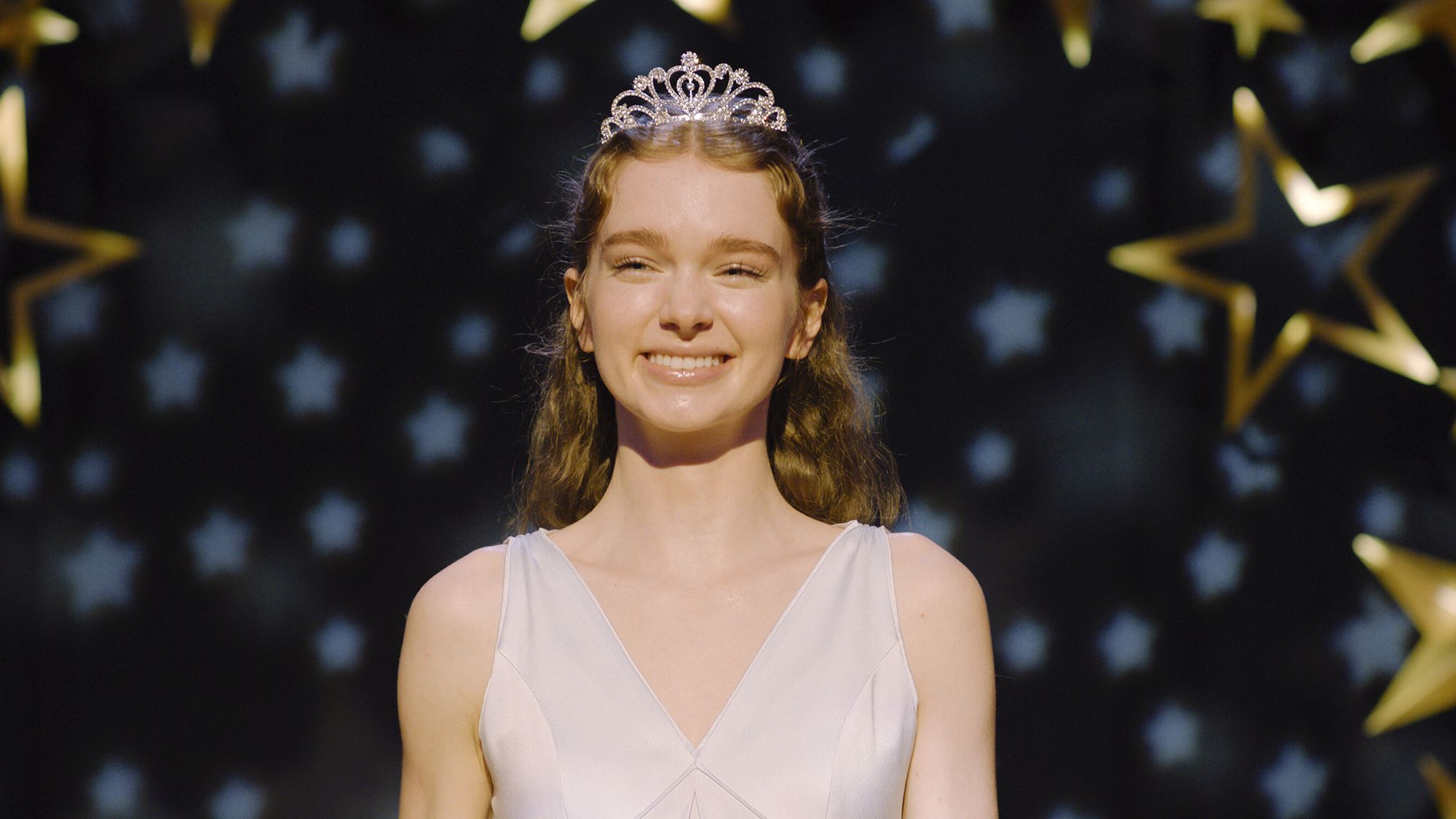
Prime Video has released its new eight-episode adaptation of Stephen King’s debut novel, Carrie, helmed by series creator Mike Flanagan. Following its premiere, the horror series climbed to the top spot on the streaming service’s platform rankings, presenting an updated interpretation of the 1974 story tailored for contemporary audiences.
A Contemporary Shift and Digital Bullying
Flanagan’s adaptation relocates the classic tale to the modern era, reshaping the central high school environment through the lens of digital communication. The narrative incorporates camera phones, the internet, and social media platforms to illustrate how cyberbullying expands harassment beyond the physical confines of the school campus.
The eight-episode season follows Carrie White, portrayed by Summer H. Howell, who is thrust into the public school system for the first time following the sudden death of her father in an accident. Concurrently, her mother, Margaret White, played by Samantha Sloyan, is forced to re-enter the workforce. Having spent her life isolated by strict, overbearing religious parents and educated entirely at home, Carrie enters high school with no comprehension of the outside world, having never operated a computer or owned a mobile phone.
This extreme isolation serves as the catalyst for Carrie’s inability to navigate standard modern adolescent routines. Carrie is left baffled and frightened by everyday occurrences, ranging from modern school shooting drills to experiencing her first menstrual cycle, the latter of which induces severe panic and the belief that she is facing imminent death. Her inability to assimilate into the digital and social norms of her peers marks her as an immediate target for systemic torment from classmates and an institutional faculty that fails to protect her.
Flanagan’s History with Stephen King
The series marks Flanagan’s sixth direct adaptation of King’s literary catalog. The filmmaker previously directed feature-length adaptations of King’s works, including the 2017 psychological thriller Gerald’s Game and the 2019 The Shining sequel Doctor Sleep. Prior to Carrie, Flanagan built a prominent following across the horror genre through his television projects, notably directing and producing high-profile limited series for Netflix, including The Haunting of Hill House and Midnight Mass.
Taking on Carrie places Flanagan in dialogue with King’s foundational narrative, which was the author’s first published novel. Rather than attempting a scene-for-scene recreation of King’s text or previous screen adaptations, Flanagan opted for notable modifications that distinguish the series from its source material.
Character Dynamics and Plot Divergence
The adaptation introduces substantial nuance to several central supporting characters. Chris Hargensen, portrayed by Alison Thornton, serves as the primary ringleader behind the student harassment campaign against Carrie. Rather than framing Hargensen strictly as an unnuanced antagonist, the series explores her domestic instability and the collapse of her home life. In contrast, student Sue Snell, played by Siena Agudong, is depicted with an evolving sense of remorse regarding Carrie’s relentless bullying, setting her apart from the rest of the student cohort.
However, the series also implements significant narrative shifts that diverge from both the novel and earlier screen iterations, particularly Brian De Palma’s 1976 feature film. The portrayal of Carrie’s mother, Margaret White, features a more empathetic and sympathetic framing. While Margaret retains suffocating, intense religious convictions, the character is softened relative to the unyielding resentment and severe emotional cruelty depicted in earlier versions. This supportive dynamic alters the degree of complete domestic isolation Carrie traditionally endures prior to the narrative’s climactic, destructive prom sequence.
Additionally, the Prime Video production concludes with a final resolution that departs sharply from the novel’s original ending. The streaming production stands as a distinct departure from direct fidelity to the original text, aiming to explore contemporary adolescent pressures while altering key thematic dynamics from King’s debut work.