


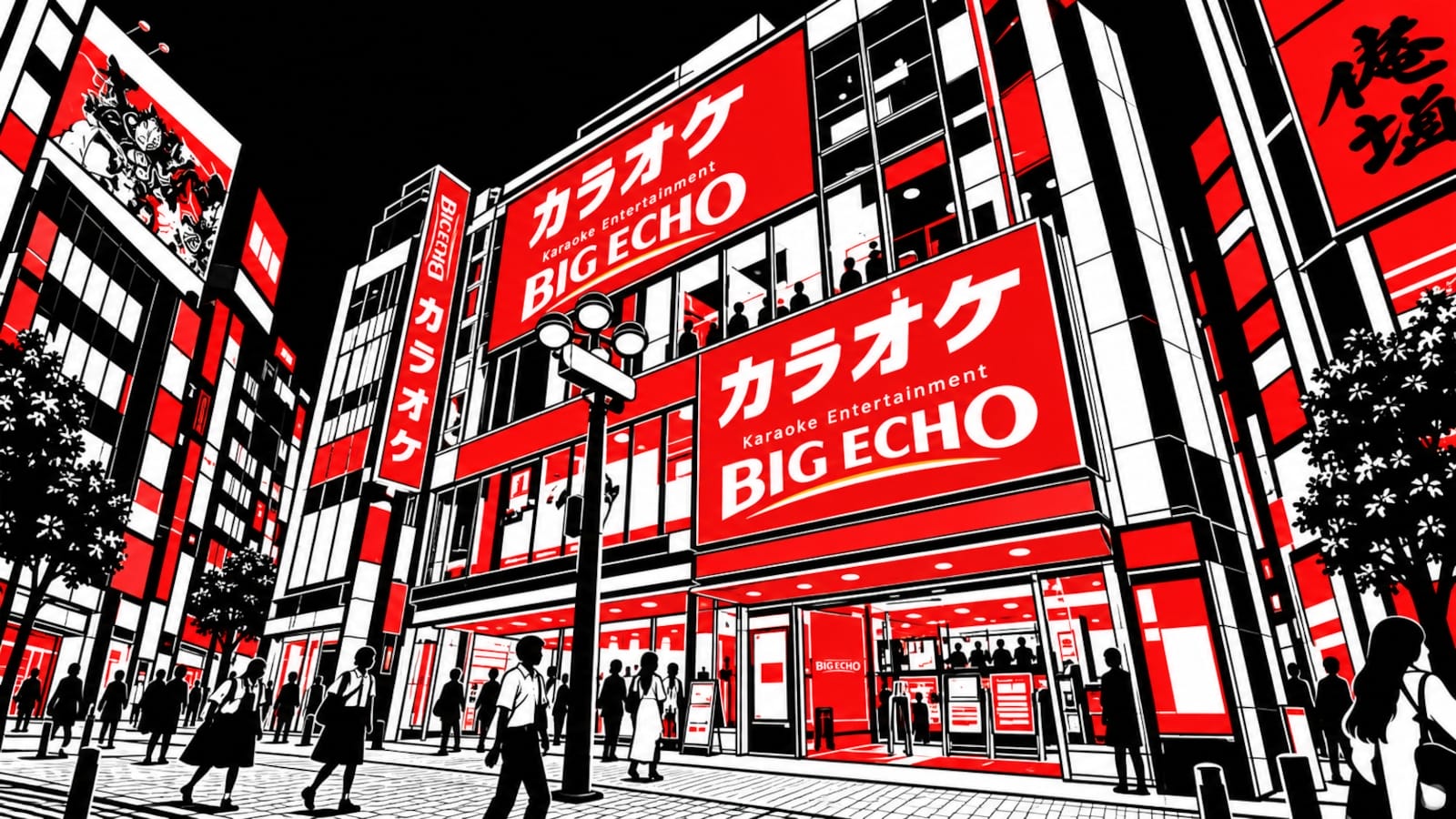
Daiichi Kosho, Japan's largest karaoke system manufacturer and venue operator, has disclosed a cybersecurity incident stemming from a malware infection at one of its key service providers, Nippon Columbia Group. The incident has potentially exposed personal data belonging to more than 8.7 million individuals, comprising millions of customers alongside tens of thousands of staff members.
Contractor Systems Compromised
Daiichi Kosho manages extensive entertainment operations across Japan, running 521 karaoke locations nationwide. Among its portfolio is the widely recognized Big Echo karaoke chain, recognized as one of the country's most popular entertainment venues. To manage customer data, the firm relies on outsourced services provided by Nippon Columbia Group, an established Japanese entertainment conglomerate that develops, produces, and distributes music, video, and gaming software, in addition to running artist management services.
According to Daiichi Kosho, Nippon Columbia notified the entertainment company on October 5 that malicious software had been identified on an employee computer. Following the identification of the malware, Nippon Columbia isolated the affected computer system on the subsequent day, October 6.
Scale of the Potential Exposure
The security assessment revealed that data related to approximately 8,631,000 customers and 93,000 company employees was stored within the exposed environment, bringing the total number of individuals whose details were placed at risk to more than 8.7 million.
Daiichi Kosho stated that patrons across several of its brands and subsidiaries could be impacted by the contractor's security incident. The brands listed in connection with the event include BIG ECHO, MEGA BIG, Karaoke CLUB DAM, Banana Club, B-GARAGE, and restaurant division DK Dining.
Current Status and Protective Measures
Despite the high number of records held on the contractor's affected infrastructure, Daiichi Kosho confirmed that it has not found proof of data theft or unauthorized distribution of information outside the company. However, the entertainment provider is warning patrons to exercise caution given the underlying risks associated with the exposure.
Daiichi Kosho clarified that account passwords were not part of the exposed data repository. Additionally, an internal review has revealed no signs of unauthorized redemption or illicit use of customer loyalty points across its venues. Daiichi Kosho also emphasized that its own proprietary systems were not directly breached during the incident, as the security event was confined to the contractor's network environment.
Following the isolation of the affected workstation, Nippon Columbia undertook technical countermeasures, including resetting employee passwords and other system authentication credentials. The contractor is presently conducting an investigation to ascertain the root cause, determine the exact scope of the compromise, and monitor whether any internal data has surfaced on online forums or file-sharing platforms.
Guidance for Affected Customers
While investigations continue, customers affiliated with the affected karaoke venues and dining chains have been advised to remain watchful against potential social engineering activities. Users should treat unexpected phone calls, text messages, and email correspondence with skepticism, particularly communications requesting payments, credentials, or sensitive personal and banking information.
Subsequent updates issued regarding the matter have not confirmed any definitive data leakage online, and Nippon Columbia has not released a separate public announcement detailing the ongoing investigation.