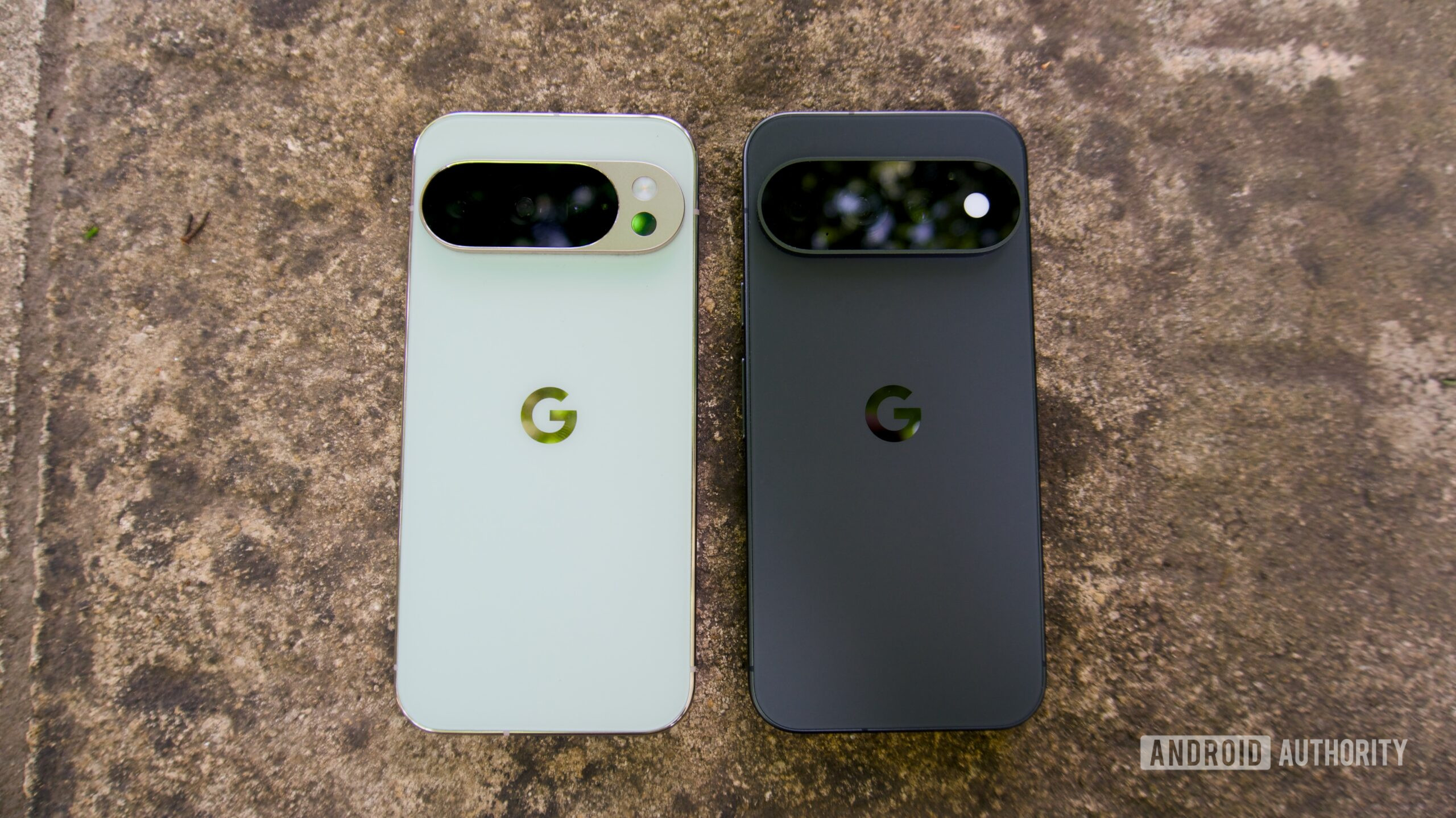
Privacy-focused operating system GrapheneOS has rolled out a major software upgrade for the Google Pixel 10 series, updating the underlying kernel to Linux 6.18 across all four devices in the lineup. The deployment has entered the stable release channel under build version 2026110200, delivering the kernel update to the Pixel 10, Pixel 10 Pro, Pixel 10 Pro XL, and Pixel 10 Pro Fold.
Kernel Upgrade Outpaces Stock Pixel Software
In an announcement shared on X, the GrapheneOS development team reported that the deployment has progressed smoothly across the fleet of supported devices, with zero user-reported issues following the release. The transition to Linux 6.18 represents a notable technical leap for the custom platform, placing GrapheneOS ahead of Google’s official stock software for the Pixel 10 generation.
Google continues to run the older Linux 6.6 kernel on standard Pixel 10 builds. Because the Linux kernel functions as the foundational core responsible for enabling the Android operating system to communicate directly with physical hardware components, the migration ensures GrapheneOS handsets operate on a substantially newer upstream code baseline.
Building on the successful release for the Pixel 10 generation, the developers confirmed that efforts are underway to backport the newer Linux kernel to older supported Pixel smartphones. However, the project noted that adapting the modern kernel to previous hardware generations will require additional development cycles before reaching stability.
Hardware Security Prerequisites for the Pixel 11
While the Pixel 10 family receives immediate improvements, long-awaited official support for Google’s latest generation, the Pixel 11 series, is also showing positive momentum. GrapheneOS has withheld official releases for the Pixel 11 because the devices currently lack support for Memory Tagging Extension, a hardware-assisted security capability that the security-oriented OS treats as mandatory.
Memory Tagging Extension serves as a critical defense mechanism against memory corruption vulnerabilities, which make up a significant portion of modern software exploits. Without reliable system firmware support for the feature, the GrapheneOS team has refused to issue production builds for Google’s newest flagships.
Android 17 QPR2 Could Resolve Remaining Hurdles
The barrier preventing Pixel 11 support may soon be removed. According to GrapheneOS, the necessary firmware infrastructure required to enable Memory Tagging Extension is already present inside testing previews for Android 17 QPR2. The team anticipates that Google will retain this implementation when the QPR2 update makes its stable debut next month.
Should Google deliver the firmware update in its final release as anticipated, GrapheneOS plans to formally add support for the Pixel 11 family. The team highlighted that the technical foundation is already largely in place, as the majority of architectural adaptations and platform work required for the newest generation were accomplished during the development lifecycle for the Pixel 10 portfolio.
Until the arrival of the stable Android 17 QPR2 milestone, Pixel 11 owners must continue to wait. Nonetheless, the successful rollout of Linux 6.18 on the Pixel 10 lineup and incoming firmware fixes suggest that official GrapheneOS compatibility for Google’s most recent hardware is rapidly approaching.