


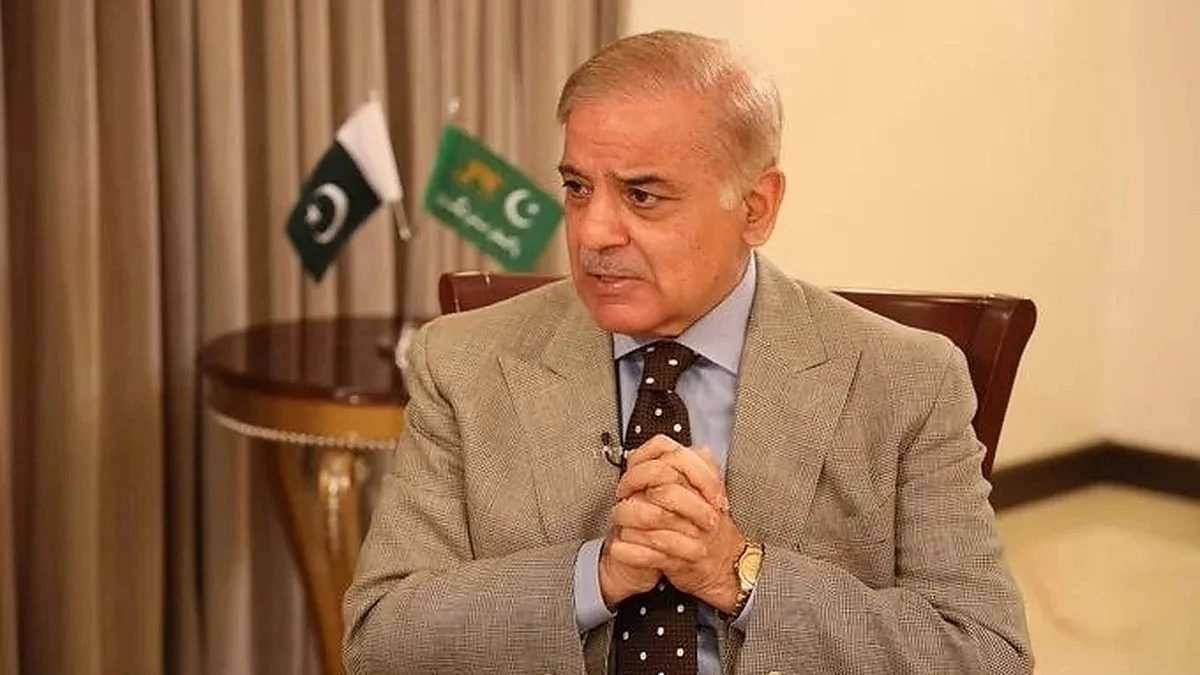
PM Shehbaz Pushes Faster Digital Government Reforms
Prime Minister Shehbaz Sharif has directed the National Information Technology Board (NITB) to accelerate Pakistan’s digital transformation efforts and make government services more accessible, efficient and citizen-friendly.
The directives came during a high-level review meeting focused on NITB reforms and progress on the Islamabad Technology Park. The meeting examined ongoing institutional reforms, the expansion of digital government systems and delays surrounding the technology park project.
The prime minister emphasized that government institutions should work together to provide citizens with modern digital services that are easier to access and more transparent.
The latest instructions signal a renewed push toward digital government in Pakistan, with e-office systems, electronic records and technology-driven public services becoming increasingly important to the federal government’s digitalization agenda.
Government Departments Directed to Expand E-Office Systems
One of the major issues discussed during the meeting was the expansion of e-office systems across the federal government.
According to the briefing presented to the prime minister, all federal ministries have already transitioned to e-office systems. The government now wants the system to be expanded further across subordinate departments and state-owned enterprises.
PM Shehbaz directed relevant authorities to ensure that government institutions make greater use of digital platforms and modern technologies.
The move is aimed at reducing dependence on traditional paperwork while improving the speed, transparency and efficiency of government operations.
Pakistan’s broader digital-government strategy also includes efforts to build interconnected digital infrastructure and citizen services. The Ministry of IT and Telecommunication identifies digital public infrastructure and the National Citizen Services Portal as important components of this transformation.
Government Property Records to Be Digitized
Another important directive issued during the meeting concerned the digitization of records related to government-owned properties.
PM Shehbaz instructed authorities to complete the process as soon as possible.
Digitizing property records could make it easier for government departments to manage information, search records and maintain centralized documentation. It could also help reduce the administrative burden associated with physical files and improve record management.
The directive forms part of a wider effort to move government operations toward digital systems rather than relying heavily on paper-based processes.
PM Shehbaz Expresses Concern Over Technology Park Delays
The meeting also focused on the progress of the Islamabad Technology Park, a major infrastructure project intended to support Pakistan’s technology ecosystem.
PM Shehbaz expressed displeasure over delays in the project’s completion and instructed authorities to accelerate the work.
He directed that the technology park should be completed and made operational on a priority basis.
The prime minister also instructed authorities to fully outsource the operation of the Islamabad Technology Park, with the objective of ensuring efficient management and operations.
The Ministry of IT has previously described the Islamabad Technology Park as a facility intended to support collaboration between academia, research institutions, industry and technology companies. The project is designed to provide an environment for innovation, product development, entrepreneurship and technology-focused businesses.
NITB Rightsizing Process Completed
The meeting also reviewed institutional reforms within NITB.
Officials informed the prime minister that the rightsizing process of NITB has been completed, while appointments to key positions are being carried out through a transparent process.
The reforms are expected to support a more streamlined organizational structure as NITB takes on a larger role in Pakistan’s digital government transformation.
NITB has historically been involved in developing digital systems, websites, portals and applications for government institutions. Earlier government information noted that the organization had developed numerous web portals and mobile applications for public-sector institutions.
Why the Technology Park Matters for Pakistan
The Islamabad Technology Park is expected to play a broader role in Pakistan’s technology ecosystem by providing infrastructure and facilities for IT companies, entrepreneurs and innovation-driven businesses.
The Ministry of IT has described the project as a platform intended to encourage innovation, commercialization of knowledge, entrepreneurship and collaboration between academia and industry.
A fully operational technology park could therefore provide additional opportunities for technology companies, startups and other businesses working in Pakistan’s growing digital economy.
Pakistan’s Digital Transformation Gains Momentum
The latest NITB directives come as Pakistan continues to expand its digital economy and government technology infrastructure.
The Ministry of IT and Telecommunication currently identifies digital transformation, artificial intelligence, digital public infrastructure and technology-driven economic development among its major priorities.
For citizens, the success of these initiatives will ultimately depend on whether digital services become easier to access, faster to use and more reliable across government departments.
The latest instructions from PM Shehbaz indicate that the government wants to accelerate this transition rather than allow major digital projects to remain delayed.
What Comes Next?
The immediate priorities include expanding e-office systems to more government departments and state-owned enterprises, completing the digitization of government-property records and accelerating the Islamabad Technology Park project.
NITB’s institutional reforms and transparent appointments are also expected to support the organization’s role in implementing digital government initiatives.
If the government meets these targets, the projects could contribute to a more connected and digitally enabled public sector in Pakistan.
For now, the focus remains on execution, faster implementation and converting Pakistan’s digital transformation plans into services that citizens can actually use.
About The Author