

An innovative AI-powered smart insole has earned recognition in a Boeing innovation competition, highlighting the growing role of artificial intelligence and wearable technology in developing practical solutions for everyday challenges.
The technology combines smart sensors with artificial intelligence to collect and analyse information related to movement and physical activity. Its recognition demonstrates how emerging technologies are increasingly being developed with applications that extend beyond conventional consumer electronics.
Smart Insole Combines Artificial Intelligence and Wearable Technology
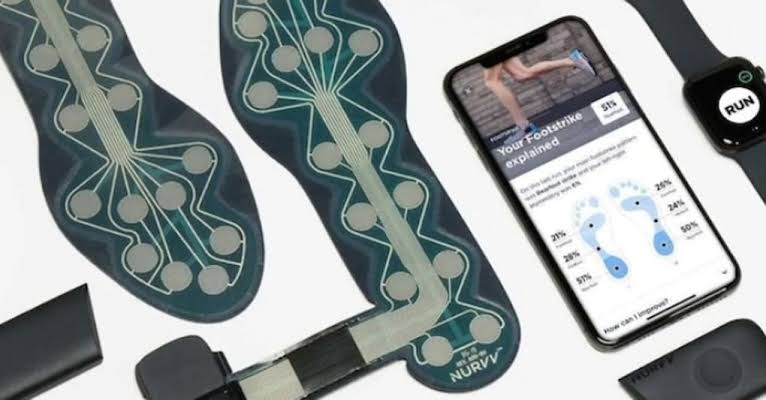
The AI-powered insole is designed to turn an ordinary piece of footwear into an intelligent sensing platform. By incorporating advanced sensors, the device can collect information related to a person’s movement, walking patterns, pressure distribution, and physical activity.
Artificial intelligence can then be used to process the collected information and identify useful patterns.
This approach could allow users and professionals to gain deeper insights into movement without relying entirely on traditional monitoring equipment.
Potential Applications in Healthcare
One of the most promising areas for smart insole technology is healthcare.
AI-enabled footwear could potentially assist professionals in monitoring movement patterns and identifying changes in the way a person walks or distributes pressure while moving. Such information could be useful in rehabilitation, mobility monitoring, sports recovery, and other areas where movement analysis is important.
The technology could also provide more continuous data than occasional assessments, potentially helping professionals understand how movement changes over time.
Technology Could Benefit Sports and Fitness
The smart insole could also have applications in sports and fitness.
Athletes could potentially use sensor-based data to understand aspects of their movement, foot pressure, balance, and training patterns. Coaches and performance specialists could use this information to identify areas that may require improvement.
For everyday users, similar technology could provide additional information about walking and physical activity, creating a more detailed picture of movement beyond basic step counting.
AI Turns Data Into Actionable Insights
The key element of the technology is not only the sensors inside the insole but also the use of artificial intelligence to interpret the information they collect.
Wearable devices can generate large amounts of data, but raw data is often difficult for users to understand. AI can help identify patterns and translate complex measurements into information that may be easier to interpret.
This combination of AI, sensors, and wearable technology represents a growing trend in the technology industry, where intelligent systems are being integrated into everyday objects.
Recognition in Boeing Innovation Competition
The smart insole’s recognition in a Boeing innovation competition puts the technology in the spotlight as an example of emerging innovation.
Innovation competitions often provide a platform for technology developers and researchers to demonstrate concepts that could address real-world challenges. Recognition can also help innovative projects gain greater visibility and potentially create opportunities for further development and collaboration.
For the smart insole, the recognition highlights the potential of combining artificial intelligence with wearable hardware to create practical technology solutions.
Broader Growth of AI-Powered Wearables
AI-powered wearables are becoming an increasingly important area of technological development.
Smartwatches, fitness trackers, smart glasses, health-monitoring devices, and sensor-equipped clothing are already collecting information about users and their environments. AI is now increasingly being used to interpret this information and provide more personalised insights.
Smart footwear represents another step in this evolution by placing sensors in an area of the body that can provide valuable information about movement and physical interaction with the ground.
What Could Come Next for Smart Insole Technology?
Further development could potentially make smart insoles more accurate, comfortable, energy-efficient, and accessible.
Future versions could incorporate improved sensors, longer-lasting batteries, more advanced AI models, and better integration with smartphones or other digital platforms.
If the technology moves from an innovation-stage concept toward wider adoption, smart insoles could eventually become useful tools across healthcare, sports, workplace safety, rehabilitation, and personal fitness.
AI Continues to Transform Everyday Technology
The recognition of the AI-powered smart insole reflects a broader shift in the technology landscape. Artificial intelligence is no longer limited to software applications and large computing systems. It is increasingly being combined with physical devices to create technology that can sense, analyse, and respond to real-world activity.
The smart insole demonstrates how relatively simple everyday objects can become sophisticated technology platforms when combined with sensors and AI.
As research and development continue, innovations in wearable technology could play an increasingly important role in connecting artificial intelligence with practical, real-world applications