


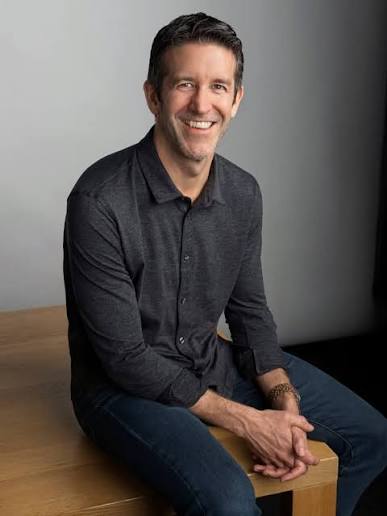
Apple has entered a major leadership transition as John Ternus officially takes over as chief executive officer, succeeding Tim Cook after 15 years at the helm of one of the world’s most valuable technology companies.
The change comes at a critical moment for Apple. The company is preparing for an important new product cycle while facing increasing pressure to strengthen its position in artificial intelligence. At the same time, Apple is widely expected to introduce its first foldable iPhone, potentially marking one of the biggest hardware changes in the company’s recent history.
Ternus, 51, previously served as Apple’s senior vice president of Hardware Engineering and has spent most of his professional career at the company. His appointment was announced in April as part of a long-planned succession process. Apple confirmed that the transition would take effect on September 1, 2026.
John Ternus Begins New Role as Apple CEO
Ternus joined Apple in 2001 after working as a mechanical engineer at Virtual Research Systems. Over more than two decades, he progressed through the company’s hardware organization and eventually became one of its most senior executives.
As hardware engineering chief, he was responsible for teams working across Apple’s major product categories. His experience includes work involving the iPhone, iPad, Mac, Apple Watch and other devices.
His engineering background makes the leadership transition particularly significant. Apple has historically placed enormous importance on hardware design and tightly integrated products, and Ternus is expected to maintain that focus while dealing with rapidly changing technology markets.
Apple’s board unanimously approved his appointment and described him as a leader with deep technical knowledge and a strong focus on developing products.
Tim Cook Moves to Executive Chairman Role
Tim Cook’s departure from the CEO position marks the end of a 15-year period during which Apple underwent enormous financial and commercial expansion.
Cook became CEO in 2011 after succeeding Steve Jobs. Under his leadership, Apple expanded its services business, strengthened its global supply chain and continued to make the iPhone the centre of its consumer ecosystem.
Rather than leaving the company completely, Cook is moving into the role of executive chairman. Apple said he would continue assisting with selected aspects of the company, including engagement with policymakers around the world.
The arrangement is intended to provide continuity as Ternus begins his tenure while allowing Cook to remain involved in important strategic and external matters.
AI Becomes a Major Challenge for Apple
One of the biggest tests facing the new Apple CEO will be artificial intelligence.
While competitors have moved aggressively into generative AI, AI assistants and AI-powered software, Apple has faced criticism for appearing slower to establish a leading position in the technology.
The company’s challenge is particularly important because artificial intelligence is increasingly becoming part of smartphones, computers and other consumer devices.
Ternus will therefore need to determine how Apple can make AI a central part of its products while preserving the company’s emphasis on privacy, security and seamless integration.
Reuters has described Apple’s AI position as one of the key challenges facing the company under its new leadership. The transition comes as Apple attempts to turn AI into a more important part of its overall product ecosystem.
Foldable iPhone Could Define Ternus’ First Week
The timing of the leadership change is especially notable because Ternus takes over only days before Apple’s next major iPhone event.
Apple has scheduled its annual iPhone event for September 9, with expectations that the company could unveil its first foldable smartphone alongside new iPhone models.
A foldable iPhone would represent a significant departure from Apple’s established smartphone design.
The company has watched Samsung and other manufacturers develop foldable smartphones for several years, while Apple has remained outside the category. Entering the market would give Apple an opportunity to reshape consumer expectations around foldable devices.
The product could also become an important test of Ternus’ hardware-focused leadership, particularly because durability, hinges, displays, battery efficiency and device thickness are among the major engineering challenges associated with foldable smartphones.
Apple Faces Pressure to Deliver New Innovation
The leadership change comes as investors and consumers expect Apple to produce another major wave of innovation.
The iPhone remains Apple’s most important product, but the smartphone market has matured considerably. As a result, the company needs to find additional sources of growth while maintaining the strength of its existing product ecosystem.
Artificial intelligence, wearable technology, smart-home products and potentially foldable devices could become increasingly important to Apple’s future strategy.
Ternus’ background could be particularly valuable as the company attempts to introduce new hardware categories without compromising the design standards that have become closely associated with the Apple brand.
Supply Chain Remains a Major Concern
Another challenge for the new CEO will be managing Apple’s enormous international manufacturing and supply network.
Apple has been working to diversify production beyond China, with India and Vietnam becoming increasingly important locations for manufacturing and assembly.
This shift is complicated by geopolitical tensions, tariffs, component costs and the enormous scale required to manufacture Apple’s products.
Reuters reported that Ternus will have to navigate these manufacturing challenges while attempting to maintain Apple’s ability to deliver products globally at competitive costs.
Competition in AI and Smartphones Intensifies
Apple’s competitors are moving quickly in both artificial intelligence and mobile hardware.
Samsung, Google and Chinese smartphone manufacturers have invested heavily in AI-powered smartphones and foldable devices. These companies are competing to determine what the next generation of mobile computing will look like.
Apple’s strength remains its tightly integrated ecosystem of hardware, software and services. However, Ternus will need to ensure that the company’s products remain technologically competitive as consumers increasingly judge devices based on their AI capabilities.
What John Ternus’ Leadership Could Mean for Apple
Ternus represents a different leadership profile from Cook. His career has been heavily focused on engineering, product development and hardware rather than operations and supply-chain management.
That could signal a greater emphasis on product innovation during his tenure.
However, he inherits a company with enormous scale and equally significant expectations. Apple’s established customer base, financial strength and ecosystem provide advantages, but maintaining that position will require continued investment in emerging technologies.
The September iPhone event will therefore attract unusual attention because it will be one of Ternus’ first major public moments as Apple’s CEO.
A New Chapter for Apple
John Ternus’ arrival marks more than a change in Apple’s top office. It comes at a point when the technology industry is being reshaped by artificial intelligence, new smartphone designs and rapidly evolving consumer expectations.
Tim Cook leaves the CEO role after transforming Apple into a vastly larger and more diversified company, but his continued presence as executive chairman provides a degree of continuity.
For Ternus, the immediate priorities are clear: strengthening Apple’s AI strategy, delivering compelling new products, managing its global supply chain and keeping the iPhone ecosystem competitive.
If Apple does introduce its first foldable iPhone this month, the product could become an early symbol of the new era under Ternus.
The coming months will show whether Apple’s new CEO can combine his engineering expertise with the broader strategic leadership required to guide the company through its next phase of technological growth.