A New Classification in Textile Engineering
The United States Federal Trade Commission, the regulatory body overseeing domestic textile labeling, has formally approved a new fiber classification for the first time in a quarter of a century. Developed by materials startup Everbloom, the newly designated fiber, called renoa, is engineered to provide an accessible, durable alternative to luxury natural fibers, beginning with cashmere.
Cashmere has expanded across all tiers of the modern apparel industry, ranging from mass-market garments priced near $50 to ultra-luxury apparel retailing for thousands of dollars. Despite this ubiquity, natural cashmere presents significant supply chain and environmental hurdles. The goats that yield cashmere hair have heavily degraded rangelands across Central Asia, and finished textiles made purely of cashmere remain fragile, difficult to clean, and prone to shrinking or pilling.
Transforming Protein Waste via AI Material Science
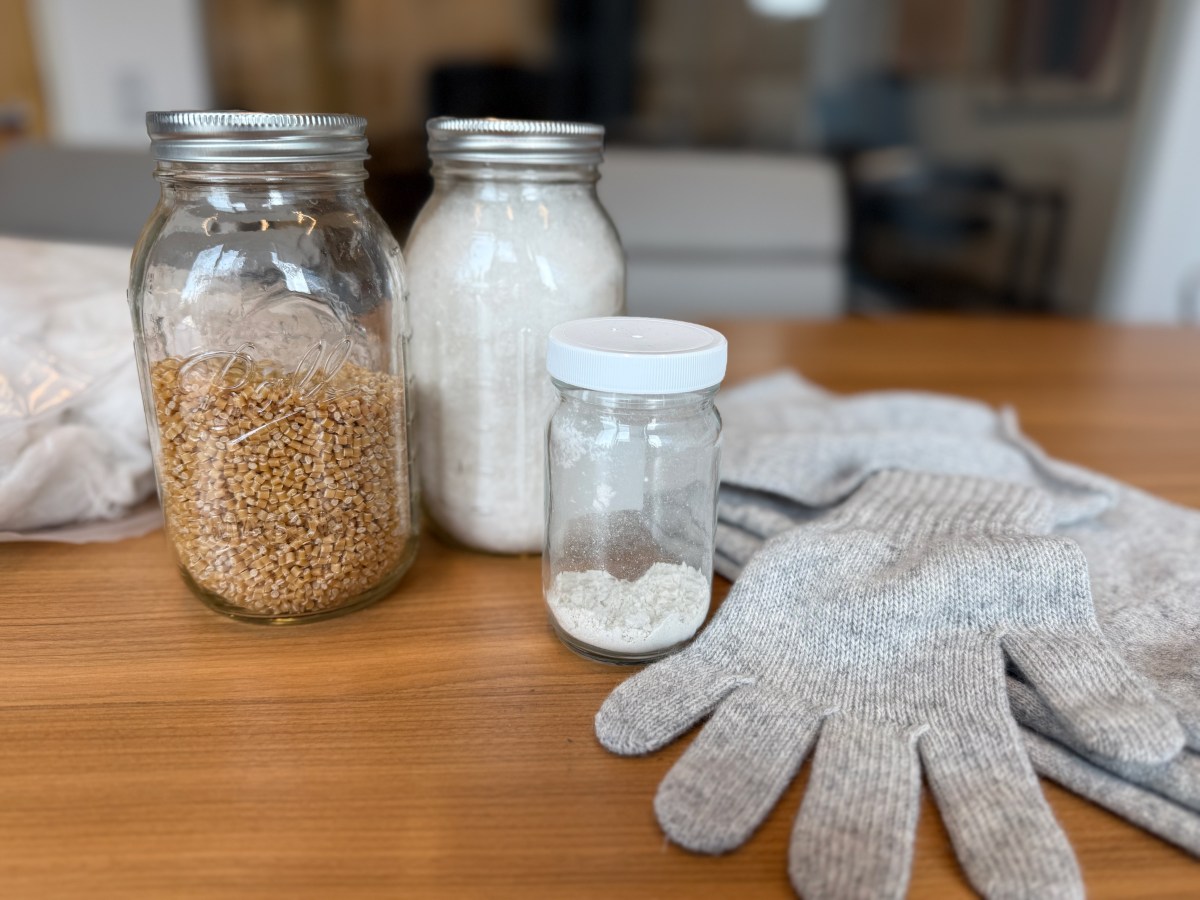
Everbloom has spent three years developing renoa as a sustainable, washable substitute capable of matching the hand-feel and performance of natural animal hair. The production process relies on sourcing waste proteins that would otherwise be discarded. These inputs include scrap pieces of wool and cashmere, alongside down and feather lint left behind by bedding manufacturers.
To convert this debris into usable yarn, Everbloom processes the collected protein waste into a fine powder. This substance is subsequently combined with a biodegradable biopolymer. The resulting mixture is extruded to precise lengths and diameters, allowing the final filament to mimic the structural dimensions and tactile properties of target natural fibers. To optimize and guide this formulation process, the startup engineered its own proprietary artificial intelligence model focused specifically on materials science.
Durability, Testing, and Commercial Launch Plans
Operating from its headquarters near Bryant Park along Fifth Avenue in New York City, Everbloom is actively working to scale production. Prototype garments manufactured using the fiber—including knit crewneck sweaters, gloves, and scarves—demonstrate high tensile resilience under everyday laundering conditions.
According to Everbloom co-founder and chief executive officer Sim Gulati, testing protocols have subjected prototype renoa knitwear to months of continuous wear, repeated machine wash cycles, and tumble drying without yielding visible pilling or shrinkage. Standard cashmere garments typically degrade or warp rapidly under similar machine-washing and drying conditions.
Rather than replacing natural textiles outright in its initial phase, Everbloom plans to enter the retail supply chain by collaborating with established brands on blended garments. Early commercial implementations are anticipated to feature roughly 20 percent renoa blended with 80 percent conventional cashmere. Everbloom reports that additional standard finishing processes used during commercial garment manufacturing are designed to eliminate subtle physical differences between pure cashmere and the blended material without eroding the composite fiber’s inherent washability. Gulati stated that the first commercial consumer products incorporating renoa are scheduled to launch on the retail market in the second quarter of 2027.