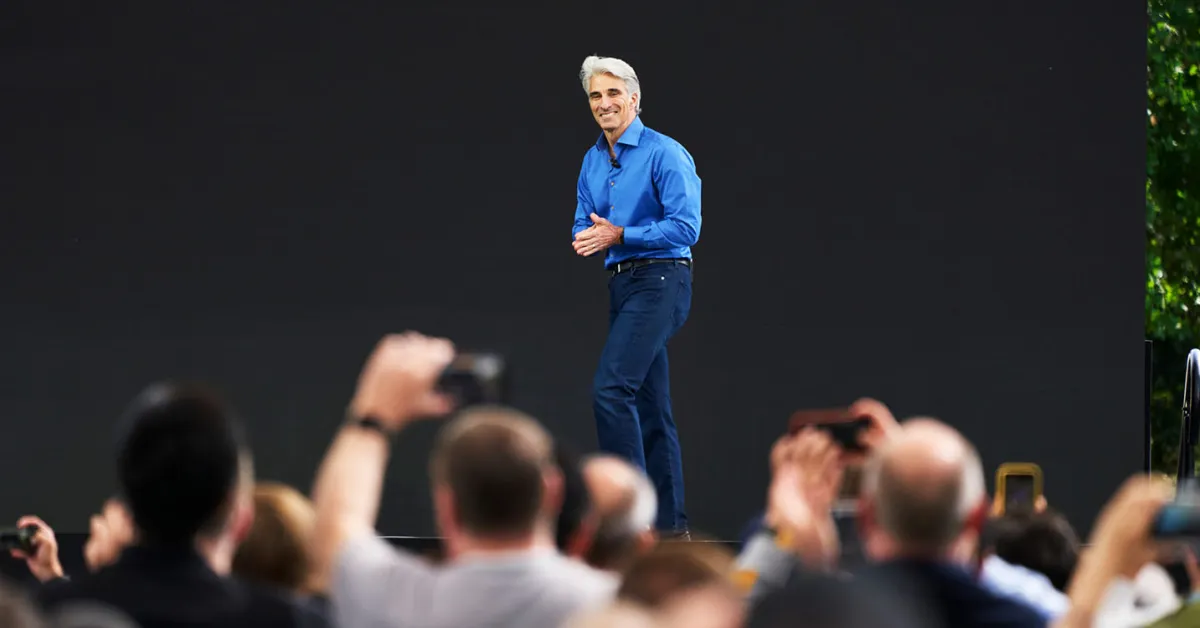
Apple chief executive officer John Ternus is pushing senior vice president of software engineering Craig Federighi to accelerate the company’s software roadmap, according to reporting from Bloomberg’s Mark Gurman. The move comes amid persistent scrutiny over whether Apple is moving quickly enough to match the pace of its rivals in the artificial intelligence sector.
Tension Over Pace and Product Direction
In recent weeks, Ternus reportedly held a closed-door meeting with Federighi, who took over responsibilities as Apple’s AI czar following the dismissal of the company’s previous AI leader last year. Ternus is reportedly frustrated by what he views as a hesitation to embrace artificial intelligence with the same urgency demonstrated by competing technology giants. During the meeting, Ternus pressed Federighi to speed up development schedules and expand Apple’s ambitions well beyond incremental improvements to the Siri virtual assistant.
Currently, there is no indication that Federighi plans to depart Apple. However, the software chief has reportedly assigned a very low priority to establishing any form of succession planning for his role, leaving questions about the long-term management structure of the organization as pressure from executive leadership mounts.
Management Style and Planning Timelines Under Scrutiny
Part of the challenge stems from Federighi’s entrenched leadership approach within software engineering. Federighi is widely known across the company for maintaining an exceptionally hands-on stance during major product decisions and internal reviews. Drawing on deep technical command, he is known to vigorously contest opposing viewpoints, a habit that employees note can leave little room for competing ideas to gain momentum. This dynamic has reportedly left some members of Apple’s software engineering and design organizations feeling that they have limited influence over product direction.
Operational timelines represent another significant contrast within Apple’s executive suite. While hardware engineering typically relies on multi-year roadmaps, Federighi’s software division has reportedly operated on a planning horizon of only 12 to 18 months. Reconciling this structural divide between hardware foresight and software planning is seen as a key objective for Ternus as he seeks more cohesive, forward-looking execution across the company.
Historical Delays and Key Leadership Uncertainties
Concerns regarding software prioritization at Apple are not entirely new. Internal perspectives suggest that historical lulls in Siri’s development, dating back as far as 2016 and 2018, were tied in part to Federighi’s skepticism regarding the importance of overhaul requests submitted by employees at the time.
Leadership stability around Apple’s voice and AI platforms faces additional headwinds beyond Federighi. Mike Rockwell, the vice president of Siri engineering who previously led the creation of the Vision Pro headset, continues to seriously contemplate stepping down. Rockwell, who took charge of Siri AI development and helped deliver the updated assistant following an embarrassing two-year delay, could step away from his role or leave Apple entirely next year, representing a potential blow to the company’s engineering efforts.
Adapting Development Pipelines with Coding Agents
To address development bottlenecks, Apple has begun testing adjustments to its underlying engineering workflows. According to Gurman, the company is experimenting with a redesigned development pipeline designed to give engineers 50 percent more time to focus on exploration and writing code, while reducing the time dedicated to software integration. This operational shift has been enabled by recent advancements in automated coding agents.
Whether these procedural changes and executive interventions will successfully compress delivery cycles remains to be seen, as Ternus seeks to reshape Apple’s software velocity and establish a more competitive posture in generative AI.