

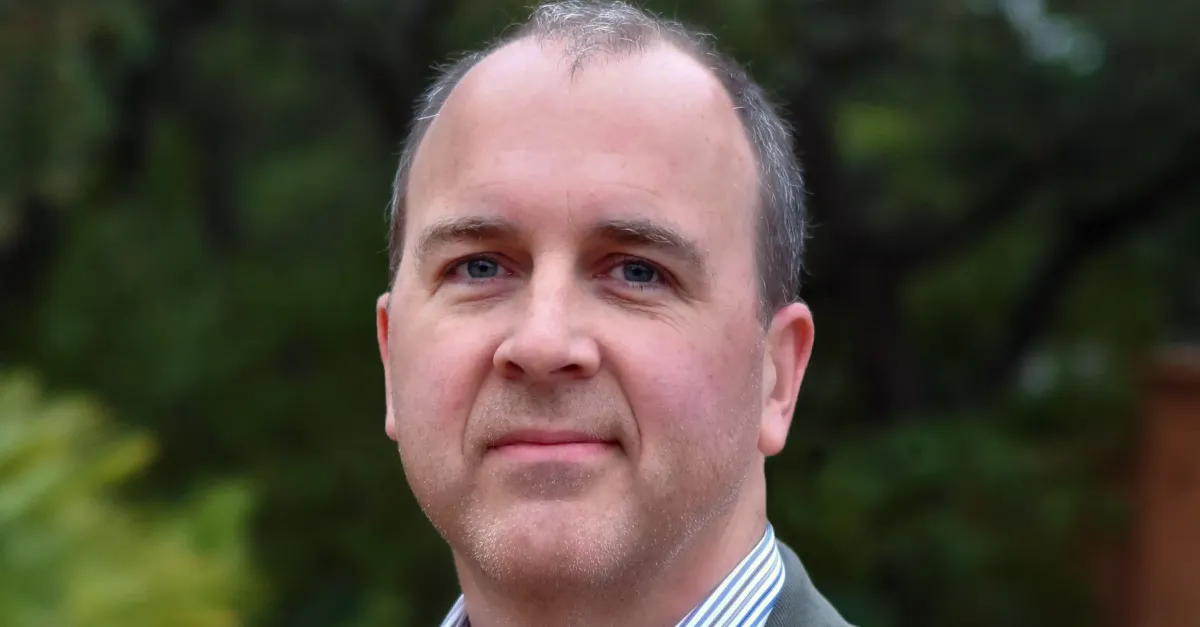
Mind Robotics, an industrial robotics startup spun out from electric vehicle maker Rivian, has named veteran automotive and technology executive Doug Field as its president. The appointment places one of the industry’s most prominent hardware and software leaders at the helm of the secretive enterprise as it develops automation systems for manufacturing environments.
A Storied Career Across Silicon Valley and Detroit
Field steps into the leadership role at Mind Robotics following high-profile tenures across several major technology and automotive companies. Most recently, he led Ford’s electric vehicle and digital software division, a role he assumed in 2021 and held until earlier this year.
Prior to his time at Ford, Field spent years navigating ambitious vehicle and hardware initiatives at Apple and Tesla. At Apple, he served as vice president of special projects, acting as the de facto head of the company’s autonomous electric car development program, known internally as Project Titan. Field had previously worked at Apple as vice president of Mac hardware engineering before departing in 2013 to become Tesla’s chief vehicle engineer. During his five years at Tesla, he played a central role in overseeing the engineering and production ramp of the Model 3 sedan before rejoining Apple in 2018.
Mind Robotics’ Industrial Mission and Backing
Mind Robotics was established in 2025 by Rivian founder and chief executive officer RJ Scaringe, who currently serves as the startup’s acting CEO and board chair. Since its founding, the company has secured more than $1 billion in capital financing to fuel the development of universally capable robotic systems intended for deployment inside Rivian’s manufacturing facilities and other industrial environments.
Although the company has not yet demonstrated any hardware publicly, Mind Robotics has stated that its systems are being engineered with the physical reasoning and dexterity necessary to handle complex factory tasks. The startup has not confirmed whether its architecture relies on a humanoid form factor or alternative robotic configurations, differing from peers such as Tesla and Hyundai that have explicitly pursued humanoid designs for warehouse and assembly floor tasks.
Strategic Independence and Shared Resources
While Tesla has pursued robotics development within its existing corporate structure, Scaringe has positioned Mind Robotics as an independent corporate entity. Despite the structural separation, the two businesses maintain deep technical and operational ties. Rivian holds equity in the startup, will serve as its inaugural commercial customer, and provides operational data used to train Mind Robotics’ AI models. Furthermore, Mind Robotics plans to test and refine its systems directly on active assembly lines within Rivian’s plants.
Scaringe praised Field’s appointment, citing his extensive background in turning advanced concepts into commercial hardware. Field expressed enthusiasm for tackling the technical integration of physical AI, pointing to the startup’s ability to learn and deploy inside high-volume production facilities from its inception as a decisive engineering advantage. As it accelerates development, Mind Robotics remains on an active hiring push, listing 32 open positions across its engineering and operational teams.