


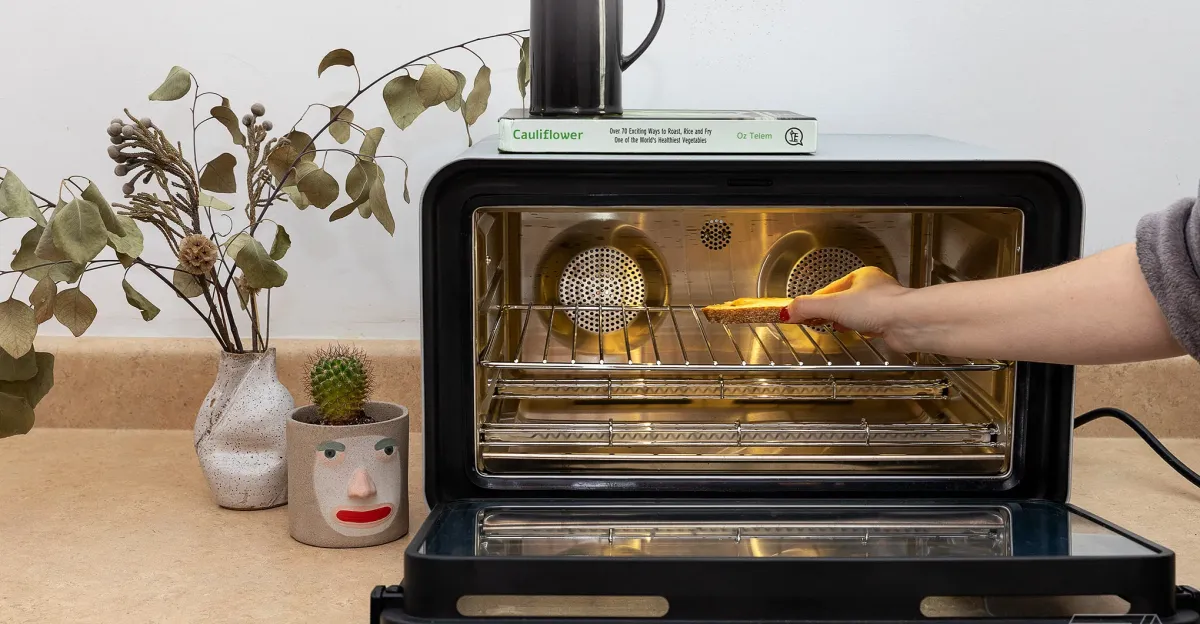
A decade into the consumer smart home revolution, a systemic issue continues to plague the Internet of Things (IoT) landscape: the premature obsolescence of internet-dependent hardware. From automated kitchen appliances like smart ovens to connected security hubs, the list of decommissioned consumer tech continues to expand.
The Vulnerability of Cloud-Tethered Hardware
Unlike traditional household electronics, which function as long as their mechanical components endure, smart home devices rely heavily on external infrastructure. When hardware is bound to remote cloud servers, proprietary software, and continuous firmware maintenance, its operational life is dictated by corporate viability rather than physical durability.
When a manufacturer shuts down its servers, pivots its business strategy, or sunsets an older product line, consumers are frequently left with diminished features or non-functional equipment. The trend highlights an inherent tension between traditional appliance lifespans—often expected to last a decade or more—and standard consumer electronics software cycles, which rarely extend past a few years.
The June Oven and Shifting Ecosystems
Prominent examples across the industry, including niche smart kitchen hardware such as the June Oven, illustrate how fragile connected ecosystems can be. While early adopters buy into the promise of artificial intelligence, automated cooking algorithms, and remote app management, the long-term utility of such hardware remains at the mercy of sustained backend investments.
As operating costs climb and corporate priorities shift, keeping legacy connected products online becomes an expensive liability for manufacturers. The result is an expanding ‘smart home graveyard’ of once-premium hardware that loses its intelligence or ceases to work entirely once online services are cut.
Broader Implications for Consumers
For tech consumers in emerging and international markets, including Pakistan, where cross-border support, extended warranties, and official servicing channels are often limited, cloud reliance introduces an even higher level of risk. Investing in smart home hardware demands careful evaluation of local server reliability, offline capability, and whether devices can retain baseline utility without an active internet connection.
Until hardware makers adopt resilient local-control standards and provide clear long-term software commitments, the industry risks eroding consumer confidence in the long-term viability of the modern smart home.