Across the United States, the aggressive expansion of massive computing facilities has transformed local zoning disputes into one of the most prominent wedge issues of the 2026 midterm elections. Driven by rapid growth in artificial intelligence and cloud computing, the construction of sprawling server storage complexes has sparked intense community resistance over escalating electricity bills, heavy water usage, and taxpayer-funded subsidies. As voters push back, congressional and gubernatorial candidates nationwide are recalibrating their platforms, seeking to distance themselves from tech-backed initiatives and adopting increasingly cautious stances on future facility approvals.
Tech PAC Spending Meets Widespread Local Opposition
The intensifying debate over data center infrastructure comes amid a substantial influx of technology industry money into federal and state races. Political action committees representing tech executives have committed millions to influence the midterms. Leading the Future, a super PAC supported by venture capitalist Marc Andreessen and OpenAI President Greg Brockman, has spent $45 million over the past year across Democratic and Republican campaigns. Meanwhile, the Anthropic-backed group Public First Action has raised $80 million, and the recently established Tomorrow Together has directed $4 million toward advertisements in competitive House districts, focusing on AI safety and facility development.
Despite this capital influx, political hopefuls are prioritizing voter sentiment on the ground. Communities have expressed mounting alarm that large-scale facilities threaten the reliability of power grids, consume significant municipal resources, and impose high infrastructure maintenance costs on residential utility customers. Consequently, candidates across both parties are debating regulatory mechanisms ranging from mandatory grid-connection fees and clawbacks of corporate tax exemptions to outright moratoriums on new construction.
High-Stakes Clashes in Texas, Florida, and Pennsylvania
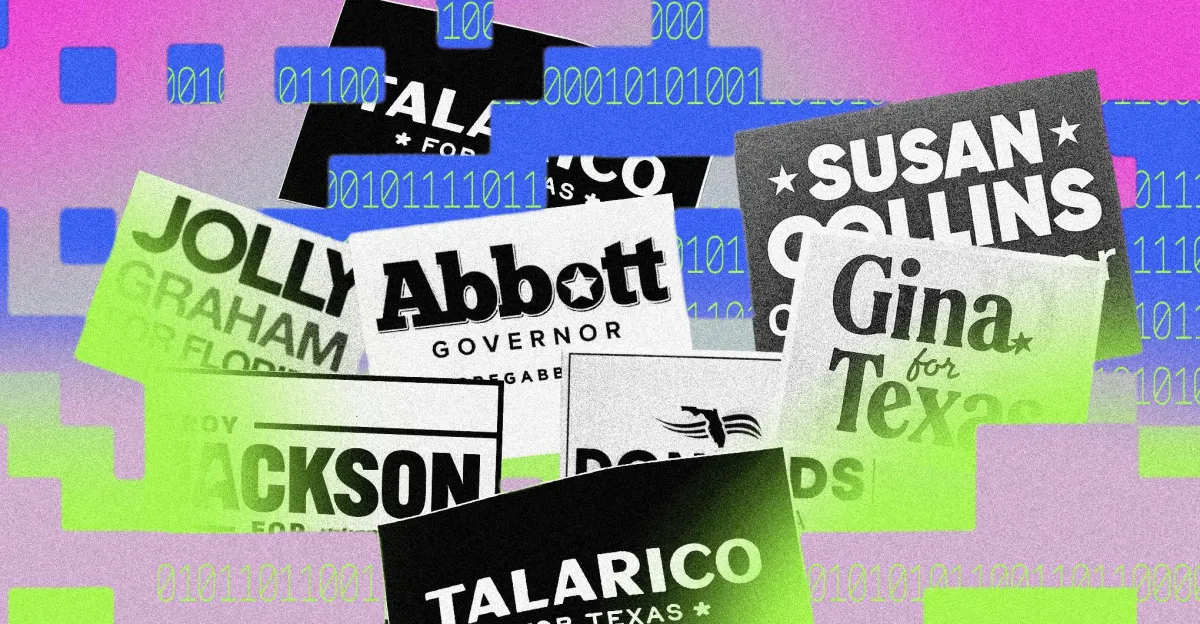
In Texas, which holds the second-highest volume of planned data center projects in the country after Virginia, computing infrastructure has taken center stage in marquee races. In the Senate contest, Democratic State Representative James Talarico has advanced his Hold Data Centers Accountable Plan, proposing to eliminate state sales tax breaks, mandate closed-loop water systems, and establish an AI Dividend funded by levies on AI-attributable profits. Republican Texas Attorney General Ken Paxton has proposed the Texas First Data Center Plan, which would bar development in rural areas, prohibit Chinese components in facility hardware, and make companies criminally liable if their systems power chatbots that compromise children’s safety. In the gubernatorial race, Democratic State Representative Gina Hinojosa has attacked incumbent Republican Governor Greg Abbott over a previous $40 billion Google development, demanding a comprehensive statewide moratorium as Abbott conducts an administrative grid audit.
Similar debates have unfolded in Florida, where Democratic nominee David Jolly has campaigned on enacting an immediate one-year ban on hyperscale data centers. His Republican opponent, Representative Byron Donalds, introduced the Protecting Ratepayers Act to mandate that facility developers directly fund the electrical and water infrastructure necessary for their operations. Despite Donalds’ efforts to reassure voters, polling by NBC6 and the Telemundo Station Group revealed that 45 percent of likely Florida voters oppose data center construction statewide, while 59 percent oppose projects within their own communities.
In Pennsylvania, Democratic Governor Josh Shapiro and Republican State Treasurer Stacy Garrity have each moved toward more restrictive policies. Although Shapiro previously welcomed a $20 billion Amazon investment, he issued an executive order in August barring developer nondisclosure agreements and removing AI facilities from the state’s fast-track permitting process. Garrity, who once expressed optimism regarding rural economic development from facilities, has called for pauses lasting up to three years, aligning with a Quinnipiac University poll indicating that 64 percent of likely Pennsylvania voters view AI data centers as doing more harm than good.
Midwestern Battlegrounds Put Energy Grids at the Center
Industrial states across the Midwest are facing parallel electoral confrontations over high-load server infrastructure. In Ohio, a leaked National Republican Senatorial Committee memo identified data centers as a critical liability for Republican incumbent Jon Husted, whose legislative attempt to pass a Ratepayer Protection Act narrowly failed in the Senate. Democratic challenger Sherrod Brown has centered his campaign on challenging past state tax exemptions, leaving the race in a virtual dead heat according to polling averages.
Michigan’s open Senate contest features two candidates who endorse development pauses. Republican Mike Rogers supports a one-year moratorium on new facilities, while Democrat Abdul El-Sayed has campaigned on halting all approvals until comprehensive federal environmental protections are established. In the state’s competitive House race, Democratic organizer William Lawrence is running on zoning buffers and a federal construction freeze against Republican Representative Tom Barrett, who has introduced legislation to restrict federal nondisclosure agreements.
The issue has extended into Wisconsin and Nevada as well. Wisconsin gubernatorial nominees David Crowley and Tom Tiffany have both retreated from supporting public subsidies, while Nevada’s race between Republican Governor Joe Lombardo and Attorney General Aaron Ford centers on water conservation and historic tax breaks. With states from Georgia to the Mountain West wrestling with power capacity, voter sentiment surrounding data centers appears set to exert a defining influence on the upcoming midterm outcomes.