


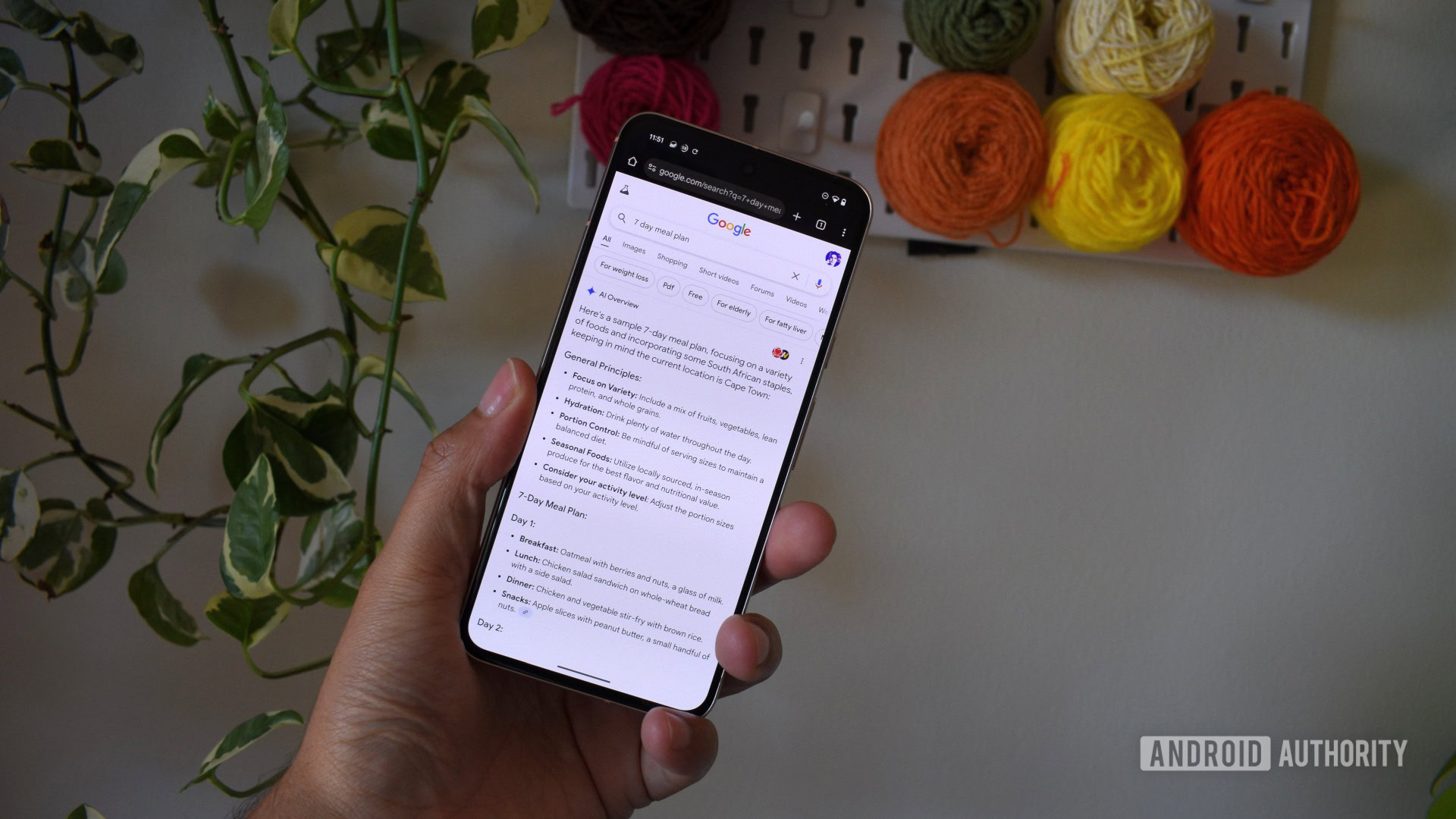
A federal court has ruled in favor of Google, dismissing antitrust claims brought by digital media and educational technology publishers over the search giant’s AI Overviews feature. The decision marks a significant legal victory for Google and deals another setback to content creators challenging how generative artificial intelligence summaries alter web traffic dynamics.
The Core of the Publisher Lawsuits
The legal challenges were initiated by ed-tech company Chegg, which filed an antitrust complaint against Google last year, and media conglomerate Penske Media Corporation, the parent company of prominent titles including Billboard, Variety, and Rolling Stone. Both companies alleged that Google’s implementation of AI Overviews resulted in diminished referral traffic, which in turn hurt their advertising and affiliate revenues.
In their filings, the plaintiffs contended that Google effectively locked publishers into permitting their material to appear within AI Overviews. According to their argument, web properties were faced with an untenable dilemma: submit content to Google’s automated summaries or risk losing visibility entirely by being excluded from standard search indexing.
Expectation Does Not Equal Agreement
In his decision siding with Google, US District Judge Amit Mehta rejected the foundational antitrust premise of the complaints. Judge Mehta highlighted that the relationship between web publishers and search engines is not defined by legally enforceable commitments to deliver web visits.
“Plaintiffs have pleaded only that they have an ‘expectation’ that Google will send them search traffic if they make their content available for free,” Mehta wrote in the ruling. “But an expectation is not an agreement. It is simply how a general search engine works.”
While ruling against the plaintiffs, Mehta acknowledged the economic pressures currently confronting digital publications. The judge stated that the court was not “unsympathetic to the situation publishers now find themselves in,” but clarified that the remedy may lie outside the scope of existing antitrust statutes, pointing instead to Congress or regulatory authorities as the appropriate venues for such grievances.
Mounting Precedents for AI in Search
The ruling represents the second major legal roadblock for media organizations disputing Google’s AI-driven search features this year. In March, similar lawsuits brought forward in federal court by Helena World Chronicle and Emmerich Newspapers met a comparable outcome, reinforcing the legal leeway granted to search operators in structuring search results pages.
With court challenges failing to gain traction under antitrust frameworks, industry observers note that publishers may find their options largely restricted to commercial negotiations. Media entities seeking compensation for AI-driven summaries may increasingly rely on direct licensing agreements with Google, under which the search provider pays publishers for rights to display and synthesize their reporting inside automated answers.