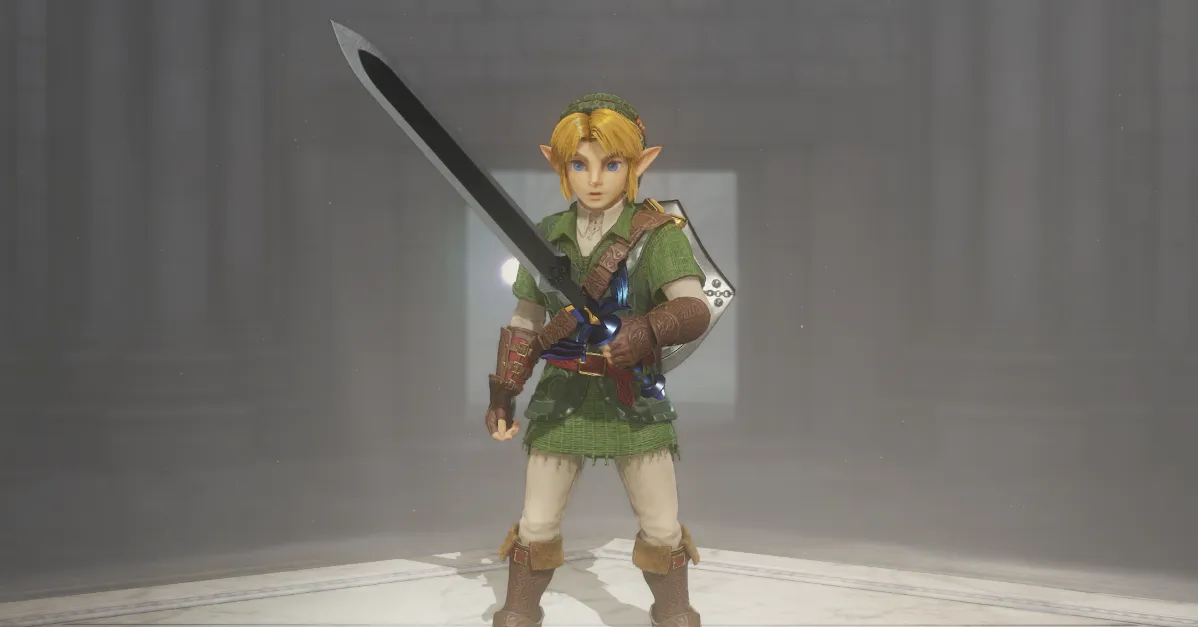
The video game industry is preparing for one of the most concentrated release windows in modern entertainment history, with Grand Theft Auto VI and a comprehensive remake of The Legend of Zelda: Ocarina of Time scheduled to arrive within weeks of each other in November 2026. Yet behind the spectacle of two monumental franchises clashing in the holiday corridor, the broader gaming ecosystem is enduring an unprecedented contraction marked by studio closures, mass staff cuts, escalating development budgets, and platform realignments.
A Rare Clash of Entertainment Titans
Grand Theft Auto VI arrives as a release thirteen years in development, following the enduring commercial run of Grand Theft Auto V. Since its debut in 2013, the fifth mainline entry has sold 230 million copies across three console generations and maintained a place among the top twenty best-selling games in the United States for thirteen consecutive years. Developer Rockstar built upon the foundational open-world structure introduced in Grand Theft Auto III through subsequent titles, culminating in the intricate realism of Red Dead Redemption 2. Industry research firm Circana estimates that 29 percent of United States video game players plan to purchase Grand Theft Auto VI, a level of consumer demand capable of reshaping hardware market trends.
According to Circana analyst Mat Piscatella, consumers who have resisted upgrading to the current console generation may ultimately buy a PlayStation 5 or Xbox Series console specifically to play the title. The gravity of Rockstar’s upcoming launch has forced widespread schedule adjustments, with nearly every other major video game publisher opting to release their high-profile projects earlier in the year to steer clear of the title’s market impact.
The single prominent exception to this industry-wide retreat is Nintendo. The publisher’s flagship holiday offering is a lavish remake of The Legend of Zelda: Ocarina of Time, designed as a headline exclusive for the Switch 2 platform. Originally released as the pioneering three-dimensional entry in the Zelda franchise, Ocarina of Time established fundamental design rules for exploration and spatial mechanics that influenced decades of 3D game design. Nintendo later expanded these principles during the Nintendo Switch era with Breath of the Wild and Tears of the Kingdom, both of which became top-selling hits for the hardware. The upcoming remake also serves as a strategic prelude to a live-action Legend of Zelda film scheduled for release in 2027, granting Nintendo unique positioning that allows it to stand directly alongside Grand Theft Auto VI without moving its holiday launch window.
An Industry in Severe Contraction
While the simultaneous arrival of these two releases has drawn comparisons to major cross-media cultural events such as the Barbenheimer phenomenon, their impending rollout contrasts starkly with current conditions across the rest of the sector. Throughout 2026, the video game business has faced sweeping layoffs, shuttered studios, climbing retail and hardware costs, disputes over player monetization, and the disruptive introduction of artificial intelligence workflows.
Hardware manufacturers and traditional third-party publishers have both scaled back operations drastically. Xbox has undertaken an aggressive operational reset that has resulted in thousands of developer redundancies, the closure of multiple development teams, and deep reductions across remaining units. In an internal memo addressing changing platform strategies and cross-platform releases, Xbox chief executive officer Asha Sharma asserted that changing dynamics represent positive outcomes for players even as they disrupt established business models. Meanwhile, Fortnite maker Epic Games terminated more than 1,000 workers amid a severe slowdown in the live-service games segment, while pivoting its strategic focus toward vibe coding.
Sony has encountered its own financial and operational hurdles, recording declining console shipments against escalating production expenses while attracting player backlash over steps away from physical media distribution. Sony implemented workforce reductions at Destiny developer Bungie and recently eliminated roles at Sucker Punch, despite the studio’s recent commercial success with Ghost of Yōtei. Major third-party publishers are seeing comparable disruption: Electronic Arts closed longtime development studio BioWare and canceled development on the next Mass Effect title, while French publisher Ubisoft continues to struggle through sustained internal reorganization.
Irreplicable Business Models
Amid the contraction, rare studios such as FromSoftware and Remedy have carved out viable paths to survival, but the foundational economic model that sustained decades of high-budget releases appears increasingly strained. The extraordinary investment required to build massive games has clashed directly with soaring hardware manufacturing costs and plateauing player bases.
Although the forthcoming duel between Grand Theft Auto VI and Ocarina of Time may appear to suggest health at the top of the market, their underlying circumstances are virtually impossible for standard publishers to copy. Nintendo benefits from full vertical control over its ecosystem, retaining end-to-end dominion over proprietary hardware, retail distribution, and iconic software properties developed under a historically risk-averse production philosophy. Rockstar, conversely, operates from the vantage of GTA V’s historic, decade-spanning revenue generation, allowing the company to commit over a decade of concentrated resources to a single production.
As these two heavyweight titles prepare to enter stores in November, they highlight an era of guaranteed blockbuster investments that the contemporary video game industry can no longer reliably sustain.