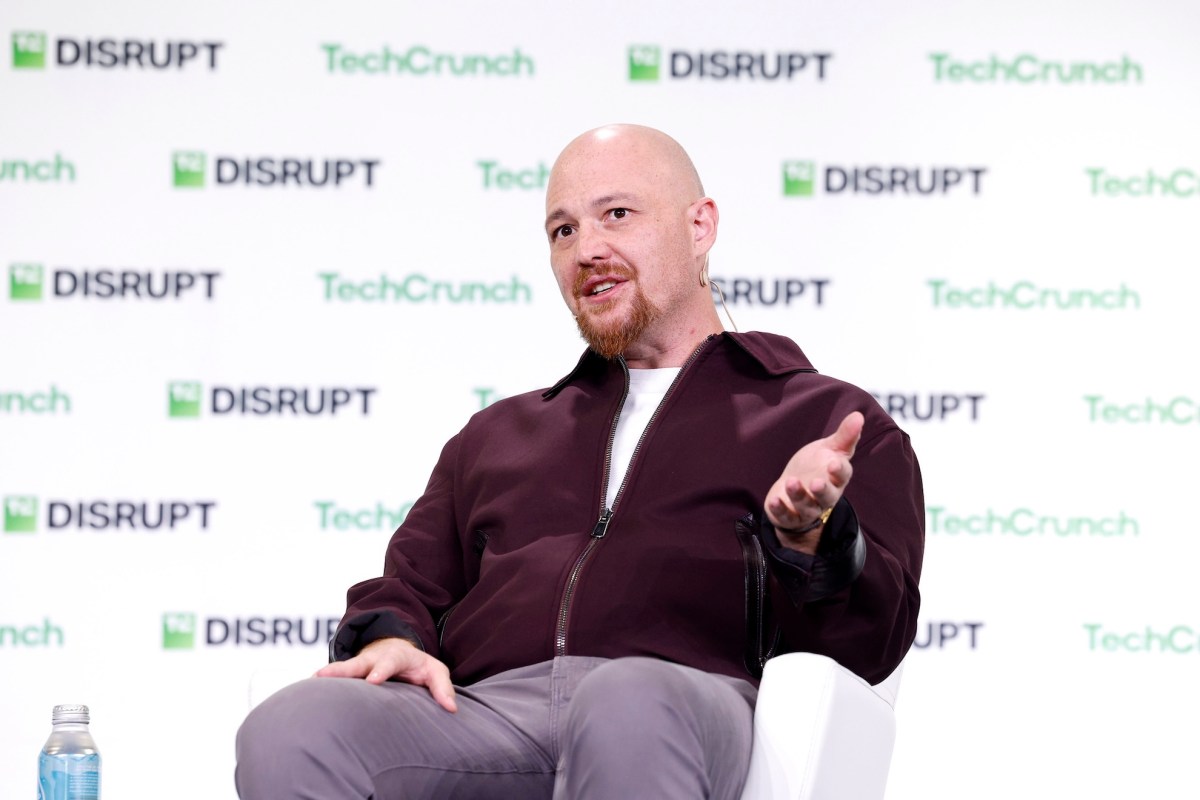
Cloud-based software development platform Replit has established OpenAI as its default artificial intelligence model provider, shifting away from Anthropic for its primary automated workflows. The change was initially framed as an outright end to the partnership by Replit co-founder and CEO Amjad Masad during remarks on stage at TechCrunch Disrupt, before being clarified over the weekend.
According to Masad, OpenAI has now taken over as the preferred engine powering Replit Agent, the company’s autonomous coding tool. While Masad initially suggested that Replit was no longer working with Anthropic, he later stated that the platform remains model agnostic and that customers retain the ability to select Anthropic’s Claude models manually. However, because platform users predominantly rely on pre-set defaults, the realignment is poised to substantially curtail Replit’s financial spend with Anthropic.
Performance and Cost Dictate the OpenAI Partnership
Replit, which enables programmers and startup founders to build and deploy software applications directly from a browser, announced an agreement with OpenAI in August. Masad explained that the decision to prioritize OpenAI stemmed from an evaluation of economics, collaboration, and comparative performance metrics.
“I think ChatGPT is better now,” Masad stated during his stage appearance, explaining that Replit utilizes both proprietary internal benchmarking and published public benchmarks to evaluate capabilities. Masad pointed out that Sol and Astra consistently deliver superior results when generating vibe-coded applications from scratch, asserting that the transition was determined by cost, partnership alignment, and operational performance.
Before formalizing its arrangement with OpenAI, Replit depended heavily on Anthropic’s Claude family of models to drive its underlying infrastructure. Masad highlighted that Replit had previously ranked among Anthropic’s top five largest customers, with the collaboration serving as a major catalyst for Replit’s early platform revenue growth.
Contradictions and Platform Continuity
Despite Masad’s onstage comments declaring an end to collaboration, people familiar with the situation disputed that the relationship had been entirely severed. An individual with knowledge of the matter, speaking on the condition of anonymity, maintained that the partnership between Replit and Anthropic remains active.
Platform materials and promotional activity in the weeks leading up to the conference also indicated ongoing integration. Late in September, a Replit company blog post highlighted that Anthropic’s Claude Fable 5 and Claude Fable 5.1 models were operational within the production environment of Replit Agent. During the same period, a Replit product team member publicly praised Anthropic’s flagship model, Opus 5.5, in posts shared on X.
Enterprise Revenue and Infrastructure Expansion
Beyond model integration, Masad addressed Replit’s broader commercial trajectory, detailing a rapid expansion into enterprise-level sales. While declining to disclose precise annual recurring revenue figures, Masad stated that enterprise contracts expanded from approximately 2 percent of company revenue last year to roughly 15 percent this year.
Broader B2B business now represents more than 50 percent of Replit’s revenue base. Masad projected further growth in institutional adoption, stating backstage that he anticipates enterprise and government contracts will generate more than half of Replit’s total revenue by 2027.
Masad also stressed the operational requirements for running software development agents safely within enterprise ecosystems. Comparing autonomous AI agents to human workers who require functional workplace conditions, Masad emphasized that software agents require a robust habitat featuring orchestration, error recovery, sandboxing, networking, identity controls, authorization, and security to ensure safe deployment at scale.